
Seeing a lion, leopard, elephant, buffalo or rhino can be thrilling. Yet a safari measured only by a checklist misses much of what makes Tanzania extraordinary. The richest journeys leave room for behavior, landscape, sound and the people who understand the country best.
1. THE FIRST MORNING IN THE BUSH
Before sunrise, the air is cool and the camp is quiet. A cup of coffee arrives, engines start softly and the horizon begins to change color. That first drive—when every track feels like a clue—often carries more excitement than any single sighting.
2. ELEPHANTS BENEATH TARANGIRE’S BAOBABS
Tarangire brings scale into perspective. Ancient baobabs rise above the plains while elephant families move between shade, water and feeding grounds. Watching how adults protect calves and communicate through subtle movements turns a familiar animal into a complex social being.
3. THE DESCENT INTO NGORONGORO CRATER
The road drops from misty highlands toward a vast volcanic floor. Forest, grassland, wetlands and soda lake appear within one natural amphitheater. The descent itself is part of the experience: a dramatic transition into one of East Africa’s most distinctive wildlife landscapes.
4. WAITING INSTEAD OF CHASING
A skilled guide sometimes switches off the engine. At first, nothing seems to happen. Then a cheetah lifts its head, a herd changes direction or alarm calls reveal a predator hidden in the grass. Safari becomes most rewarding when observation replaces urgency.
5. THE SOUND OF THE SERENGETI AT NIGHT
Canvas does not separate you completely from the wilderness—and that is the magic. You may hear hyenas calling, zebras barking or lions far across the plains. Camps operate with safety procedures, but the sounds remind you that the landscape continues long after the game drive ends.
6. A SKY FULL OF BIRDS
Tanzania’s birdlife adds color and movement to every park. Lilac-breasted rollers, hornbills, raptors, flamingos and tiny sunbirds reward travelers who look beyond large mammals. Birding also slows the journey, encouraging attention to habitats that might otherwise pass unnoticed.
7. A RESPECTFUL CULTURAL ENCOUNTER
Community visits are meaningful when they are hosted respectfully rather than staged as quick photo stops. Ask how the experience benefits local hosts, whether photography requires permission and how much time is allowed for genuine conversation. Learning about food, craft, livestock or daily life can give the wider landscape human context.
8. THE SMALL DISCOVERIES
Your guide may point out a dung beetle navigating by the sky, a chameleon moving through a branch or the architecture of a termite mound. These details reveal the ecosystem’s connections and often fascinate children and experienced travelers alike.
9. THE LAST QUIET VIEW
At the end of a safari, there is usually one final stretch of road or one last sunset. It may not contain a rare animal. It might simply be grass moving in the wind, giraffes on a ridge or dust glowing behind a vehicle. That is often when the scale of the journey settles in.
The best safari is not the one with the longest species list. It is the one that gives you time to understand what you are seeing. Choose a realistic route, an attentive guide and an operator willing to slow down. Tanzania will provide the rest in its own time.
Get practical safari stories in your inbox.
Occasional planning advice and destination inspiration. Confirm by email and unsubscribe whenever you wish.
Your reaction helps us write better safari guides.
0 comments
Share a thoughtful question or experience. Comments appear after a short review.
Be respectful and avoid personal information. By commenting, you agree to our Terms and Privacy Statement.More Tanzania safari stories
 Safari Inspiration
What’s Your Tanzania Safari Style?
Choose the experience that fits you. Then compare routes, review local operators and request your safari through Safari2...
 Travel news
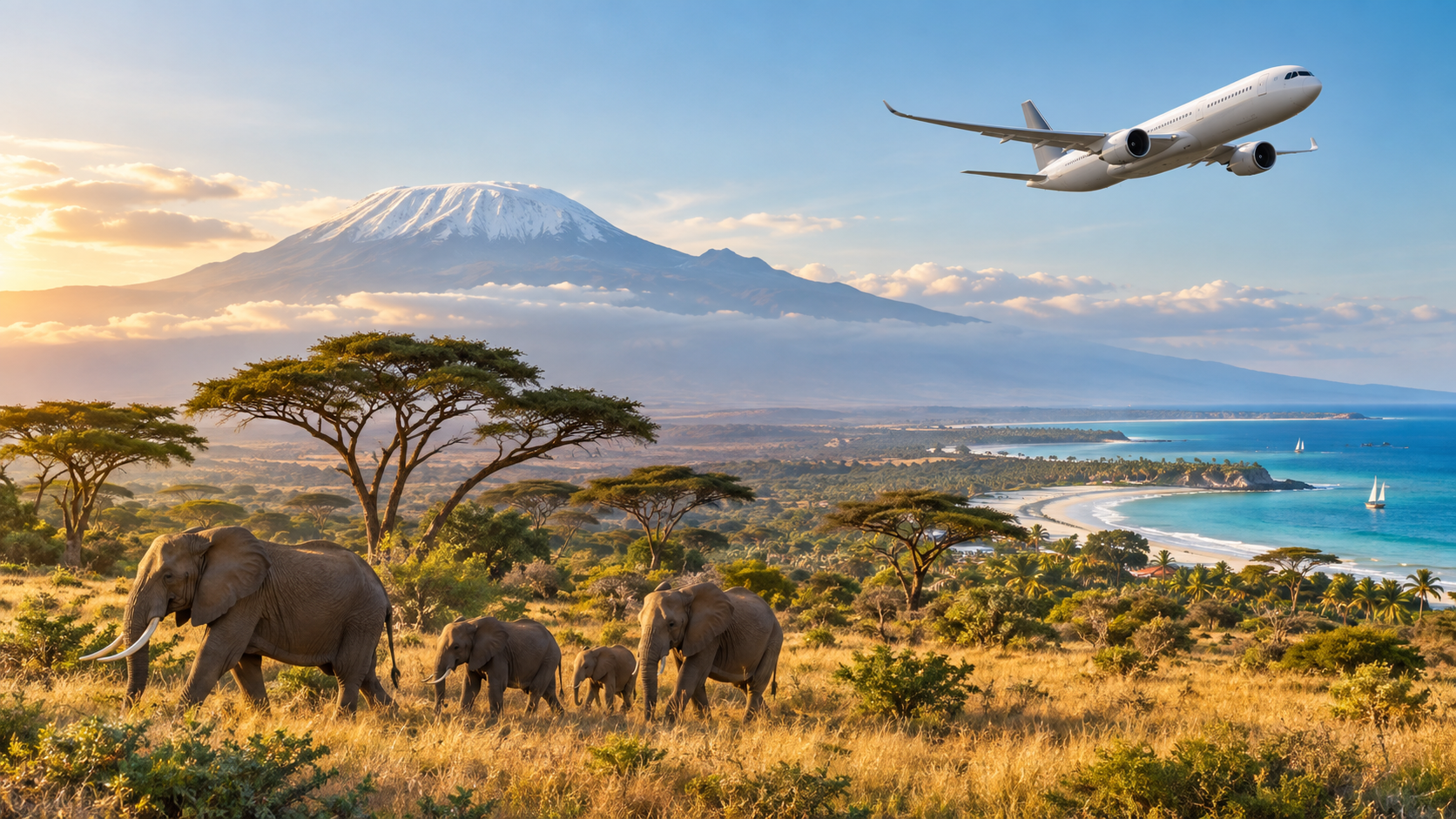
British Airways Is Returning to Tanzania in 2027
A new route through Kilimanjaro and Zanzibar creates another way to imagine safari first, beach next.
 Safari Planning
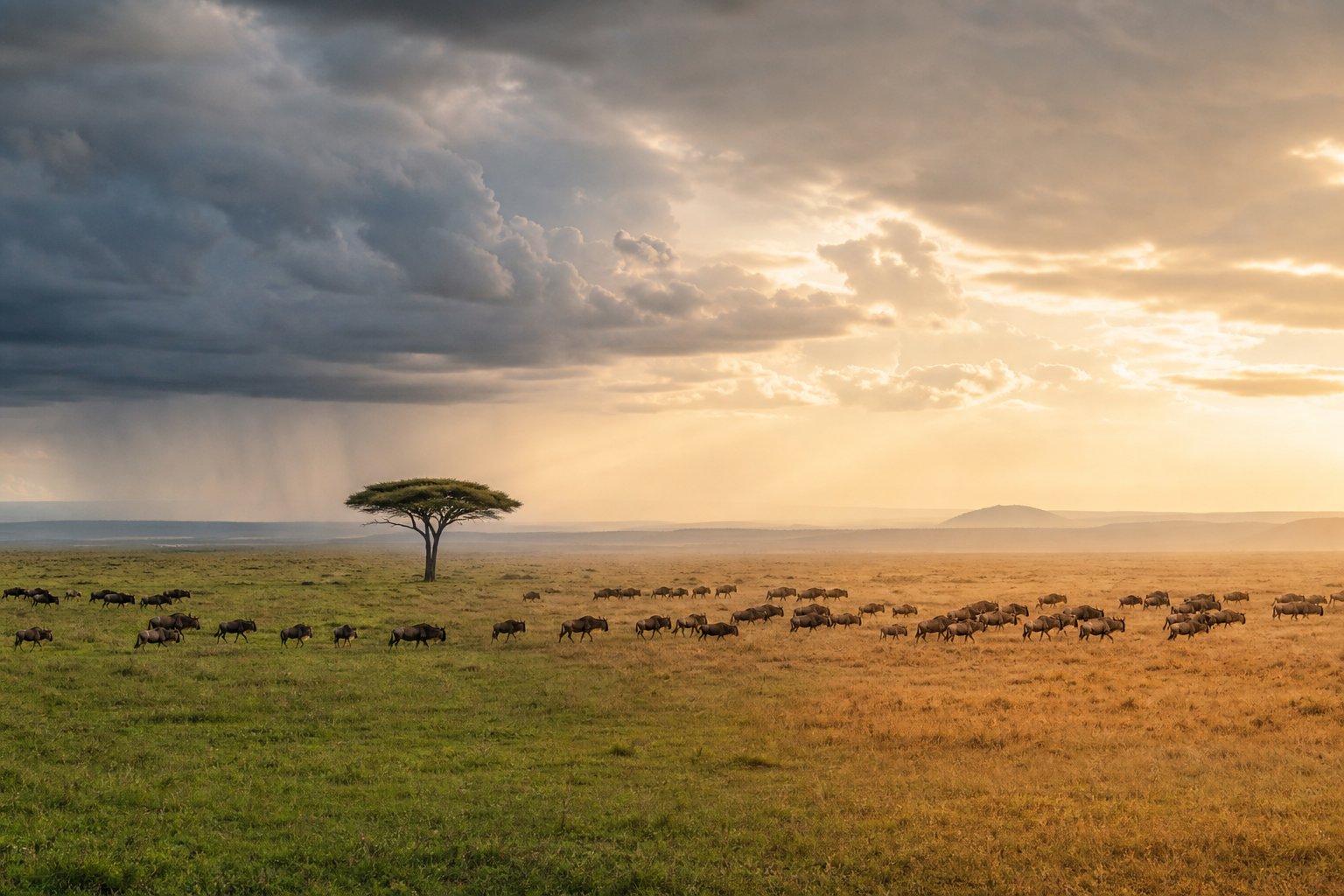
The Tanzania Safari That Changes With the Seasons: When to Go and What You’ll See
There is no single best month for Tanzania—only the season that best matches the wildlife, landscapes and pace you want...
Start the conversation
Be the first reader to share a useful thought or question.